Contact

TIMELESS DURABILITY:
Why stainless steel is the most sustainable choice

PROOX’s sanitary products are not designed for the here and now, but are developed with sustainability in mind for generations to come.

Stainless steel is far more than just a material – it is a key component of the circular economy. By combining minimal maintenance requirements with maximum service life, we are taking a clear stand against the throwaway society. Our climate-friendly sanitary products offer architects and planners future-proof solutions that sustainably improve the environmental footprint of every building.
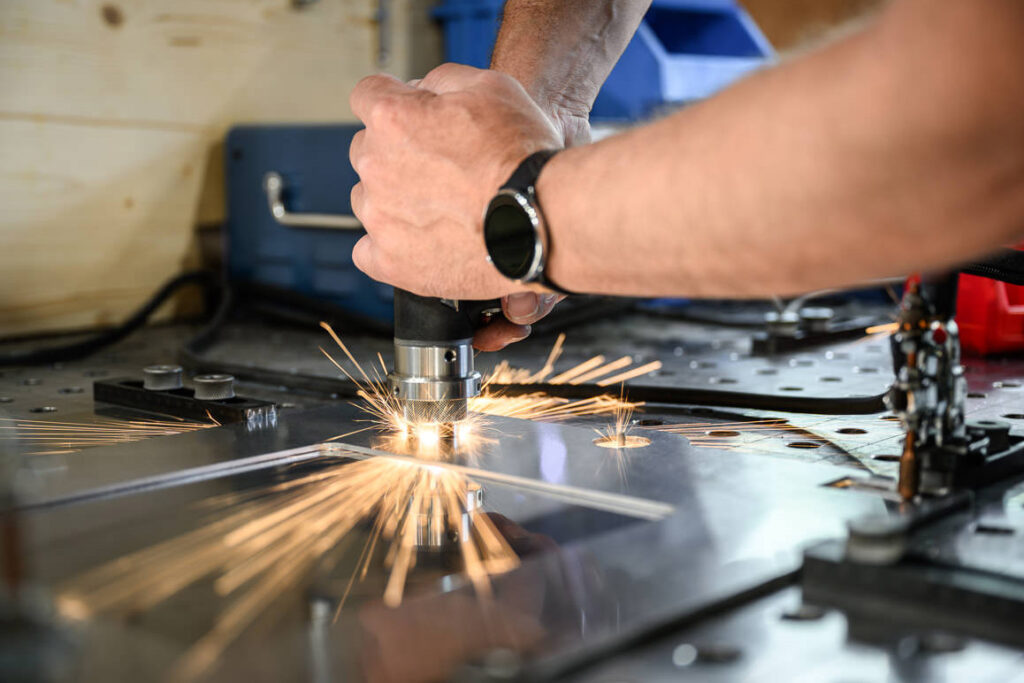
Stainless steel – robust in operation, reliable in use

Under normal conditions, it does not corrode and retains its first-class appearance even after decades. This makes the material the ideal choice for durable sanitary fittings in green building projects.

Stainless steel is fully recyclable as often as required without any loss of quality. This closed and standardised material cycle makes it the environmentally superior choice when comparing stainless steel with plastic.

Quality that lasts for generations: Using a standard material thickness of 1.5 mm, we develop particularly durable sanitary accessoires that can withstand even the most demanding conditions in semi-public spaces. A prime example of their impressive lifespan is our paper towel dispensers. They are designed to ensure smooth, sheet-by-sheet dispensing for over 50 years.

Compared directly with conventional plastic products, which often show the first signs of wear and tear or defects after just a few years, our paper towel dispensers offer significantly greater resistance to wear and vandalism.

Sustainability also means preserving what already exists. Our products are designed as repairable sanitary solutions. By ensuring the long-term availability of spare parts – rather than replacing entire dispensers – we substantially extend the service life of our stainless steel sanitary accessories.

The non-porous surface of stainless steel minimises the adhesion of microorganisms and deprives germs of their biological basis. Its exceptional resistance to corrosion and chemical and mechanical stresses guarantees a long product lifespan. This sustainably reduces replacement rates in commercial settings, optimises the life cycle assessment (LCA) of the washroom and minimises the ecological footprint.

THE ENVIRONMENTAL BENEFITS OF STAINLESS STEEL SANITARY ACCESSOIRES:

Stainless steel is extremely durable. It does not corrode under normal conditions and retains its first-class appearance even after decades. This makes the material the ideal choice for long-lasting bathroom fittings in certified green building projects.

Unlike plastics, stainless steel can be recycled completely and as often as required without any loss of quality. This closed and standardised material cycle makes it the environmentally superior choice when comparing stainless steel and plastic.

Quality that lasts for generations: with a material thickness of 1.5 mm in most of our products, we develop particularly durable sanitary facilities that can withstand even the most demanding conditions in semi-public spaces. Our paper towel dispensers are a prime example of the impressive longevity of stainless steel. They are designed to guarantee smooth, sheet-by-sheet dispensing for over 50 years. Compared directly with conventional plastic products, which often show the first signs of wear or defects after just a few years, our paper towel dispensers offer significantly greater resistance to wear and vandalism.

Sustainability also means preserving what we already have. Our products are designed as repairable sanitary solutions. By ensuring the long-term availability of spare parts – rather than replacing entire dispensers – we proactively extend the life cycle of our stainless steel sanitary accessoires.

The non-porous surface provides no breeding ground for bacteria. Its resistance to aggressive conditions ensures low replacement rates, resulting in low-carbon sanitary facilities and minimising the environmental footprint throughout the entire life cycle.